Pre-Sales Support
Mutual Funds and ETFs - 800-456-7526
Monday-Thursday: 8:00 a.m. – 6:00 p.m. ET
Friday: 8:00 a.m. – 5:00 p.m. ET
Post-Sales and Website Support
888-843-7824
Monday-Friday: 9:00 a.m. - 6:00 p.m. ET
| 1 | What is an ETF? – Exchange-traded funds, or ETFs, trade throughout the day on an exchange, similar to how a stock trades, and allow an investor to invest in multiple securities through the purchase of a single investment vehicle, similar to investing in a mutual fund. |
| 2 | Not just for passive investors – While they initially began as a passive investment vehicle, ETFs now encompass a broad range of both active and passive strategies. At the end of 2025, active fixed-income ETFs accounted for nearly $500 billion in assets (FIGURE 1).1 |
| 3 | What is an active fixed-income ETF? – An active fixed-income ETF trades on an exchange and invests in a portfolio of multiple bonds. But rather than passively tracking an index, an active fixed-income ETF uses a professional money manager to choose the fixed-income securities in which the ETF invests. |
| 4 | How does it work? – Active fixed-income ETFs employ portfolio managers to use their research capabilities in pursuit of return-generating investment opportunities. They’re able to look beyond the index and seek differentiated ideas. |
| 5 | It's good to stay active – The bond market is large and complex. Active managers use their expertise to sift through thousands of potential investments, seeking attractive opportunities passive strategies may miss. |
| 6 | Investments with benefits – Active fixed-income ETFs can offer a diversified mix of bonds at relatively lower costs and lower minimum investments than other investment vehicles. Other benefits of ETFs include trading throughout the day on an exchange, the potential for tax efficiency, and more transparency into underlying holdings. |
| 7 | Are active ETFs riskier than passive ETFs? – An ETF’s risk is determined largely by the securities in which it invests and the investment strategy used by the investment team. Because active managers can pick and choose which securities to invest in—and they aren’t beholden to tracking an index—active fixed-income ETFs may look to avoid certain securities if the manager believes there may be better opportunities elsewhere. |
| 8 | Vive la difference – Actively managed fixed-income ETFs have grown exponentially over the past decade to encompass a variety of fixed-income market segments and approaches, spanning traditional core-bond allocations to unconstrained, multisector, or alternative strategies. Today, investors have nearly 600 active fixed-income ETFs to choose from.2 |
| 9 | But I'm not a day trader – Although active fixed-income ETFs trade continuously during the day when an exchange is open, they aren’t just for short-term traders looking to time the market. Investors can buy and hold active fixed-income ETFs to help meet their investment goals for generating income, long-term total return, or a combination of both. |
| 10 | The possibilities are endless – Active fixed-income ETFs can be used as standalone investments within a portfolio or as part of a model portfolio, providing a central part of a strategic allocation or offering an affordable way to fine-tune a portfolio with smaller allocations to targeted areas of the broader market. |
FIGURE 1
Growth of Active Fixed-Income ETF Assets
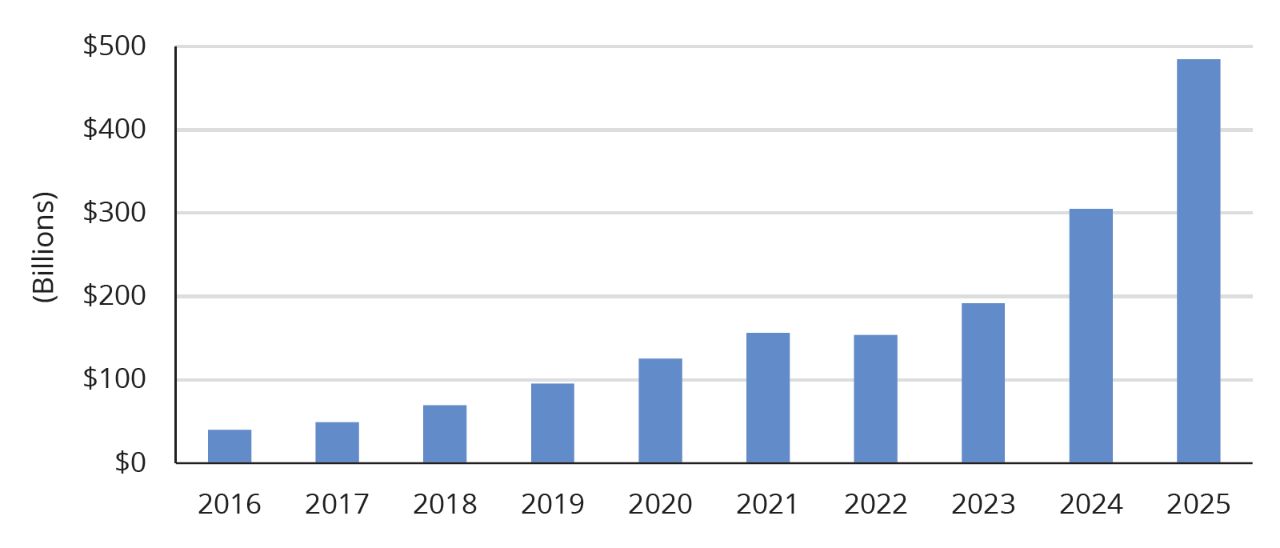
Chart Data: 1/1/16-12/31/25. Source: Morningstar, 9/26.
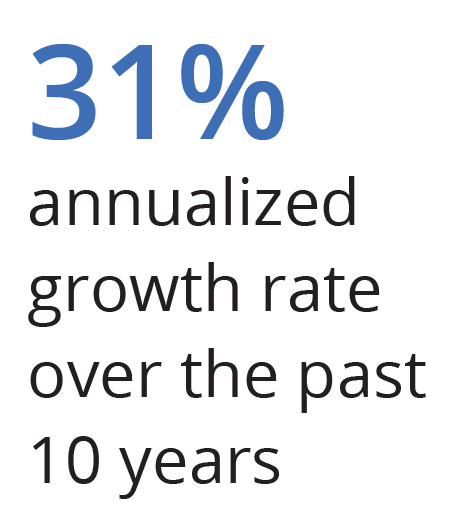
For more information about investing in active fixed-income ETFs, please contact your financial professional.
1 As of 6/30/26. Source: Morningstar.
2 As of 6/30/26. Source: Morningstar.
Important Risks: Investing involves risk, including the possible loss of principal. • Fixed income security risks include credit, liquidity, call, duration, event and interest-rate risk. As interest rates rise, bond prices generally fall.
This information does not take into account the specific investment objectives, tax and financial condition of any specific person. This information has been prepared from sources believed reliable but the accuracy and completeness of the information cannot be guaranteed.